Miscellaneous Steel Detailing
What is Miscellaneous Steel Detailing?
Miscellaneous steel detailing refers to the preparation of shop drawings, fabrication details, and erection plans for non-structural steel components used in a construction project. Unlike primary structural elements such as beams, columns, and trusses, miscellaneous steel items focus on secondary steel components that enhance functionality, aesthetics, and safety.
Miscellaneous steel is commonly used in commercial, residential, and industrial projects, playing a crucial role in connecting structural components and providing additional support or decorative elements.
1. Common Miscellaneous Steel Components
Miscellaneous steel detailing covers a wide range of non-structural elements, including:
A. Stairs & Handrails
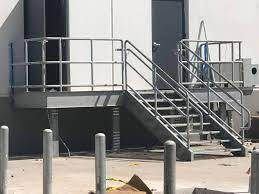
Steel Staircases – Spiral, straight-run, and floating stairs.
Handrails & Guardrails – Custom railings for safety and aesthetics.
Glass & Steel Handrails – Combination of steel with tempered glass panels.
Pipe & Tube Railings – Used in industrial and commercial buildings.
B. Ladders & Access Platforms
Fixed Steel Ladders – OSHA-compliant ladders for rooftop access.
Caged Ladders – Safety ladders with protective enclosures.
Maintenance Platforms & Walkways – Steel platforms for industrial access.
Mezzanines & Catwalks – Raised steel platforms in warehouses and factories.
C. Steel Gratings & Floor Plates
Bar Grating & Checkered Plates – Used in industrial floors, bridges, and drainage covers.
Trench Covers & Stair Treads – Safety features for drainage and steps.
D. Bollards & Protective Barriers
Steel Bollards – Used for vehicle impact protection.
Guard Posts & Traffic Barriers – Installed in warehouses and parking lots.
E. Architectural Steel Elements
Steel Canopies & Awnings – Stylish and functional overhead structures.
Decorative Panels & Screens – Laser-cut steel elements for facades.
Steel Louvers & Sunshades – Enhances aesthetics and energy efficiency.
F. Miscellaneous Connections & Supports
Steel Brackets & Embed Plates – Used for securing structural components.
Steel Angles & Clips – Various supporting and reinforcing components.
Steel Hangers & Bracing – Structural supports for ceilings and piping systems.
2. Differences Between Miscellaneous & Structural Steel Detailing
Feature Miscellaneous Steel Detailing Structural Steel Detailing
Focus Secondary steel elements Primary load-bearing structure
Design Complexity Custom fabrication, curved designs Standard beams & columns
Materials Used Sheet metal, pipes, tubes, plates I-beams, channels, angles
Software Used AutoCAD, Advance Steel, Revit Tekla, SDS/2, STAAD.Pro
Examples Stairs, railings, platforms Beams, columns, trusses
Miscellaneous steel detailing requires high precision and customization, as many components are designed to fit specific architectural and functional needs.
3. Miscellaneous Steel Connection Design
Connections in miscellaneous steel detailing must be strong, durable, and often visually appealing.
A. Welded Connections
Used for seamless and clean aesthetics.
Example: Handrails and decorative steel elements.
B. Bolted Connections
Used for easy installation and removability.
Example: Modular steel stairs and grating panels.
C. Hidden Fasteners
Used in architectural elements for a sleek look.
Example: Glass and steel balustrades with concealed anchors.
D. Adjustable & Modular Connections
Used in pre-fabricated elements that require on-site adjustment.
Example: Mezzanine flooring and handrails.
4. Software for Miscellaneous Steel Detailing
igh-precision detailing requires advanced 2D and 3D modeling software.
A. 3D Modeling & BIM Integration
Autodesk Advance Steel – AutoCAD-based detailing software for stairs, railings, and ladders.
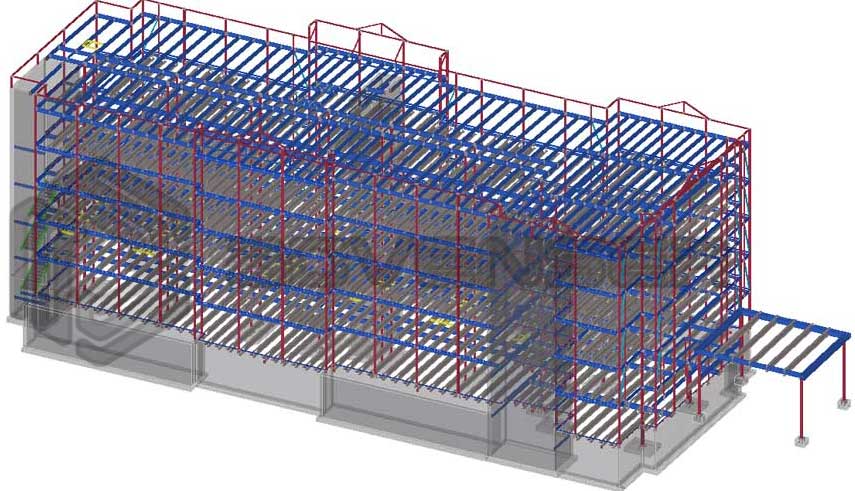
Tekla Structures – Advanced BIM-based steel detailing.
Revit – Architectural steel detailing with BIM integration.
B. Fabrication & CNC Integration
SolidWorks – Used for custom steel component design.
AutoCAD – Basic 2D shop drawings.
Rhino + Grasshopper – Ideal for parametric and custom steel designs.
C. Visualization & Rendering
Lumion & Enscape – Used for realistic steel renderings.
V-Ray for Rhino – Creates high-end architectural visuals.
5. Miscellaneous Steel Finishes & Coatings
Miscellaneous steel components require surface treatments for durability and aesthetics.
A. Paint & Powder Coating
Enhances color and corrosion resistance.
Example: Black powder-coated steel railings.
B. Galvanizing & Stainless Steel
Hot-dip galvanizing protects against rust.
Stainless steel (304, 316) for corrosion-resistant applications.
Example: Marine-grade steel for coastal environments.
C. Anodizing & Plating
Used for aluminum and decorative steel finishes.
Example: Steel handrails with a brushed finish.
6. Benefits of Miscellaneous Steel Detailing
A. Enhanced Aesthetics & Functionalitys
Custom-designed elements improve architectural appeal.
Prefabricated components enhance project efficiency.
B. Precision & Fabrication Efficiency
Minimizes errors with detailed 3D modeling.
Reduces fabrication and installation time.
C. Durability & Safety Compliance
Ensures compliance with OSHA, ANSI, and local building codes.
Increases longevity with corrosion-resistant coatings.
D. Cost & Material Optimization
Reduces material waste with optimized shop drawings.
Lowers installation costs with pre-fabrication.
7. Challenges in Miscellaneous Steel Detailing
A. Complex Customization Requirements
Solution: Use parametric design software like Rhino & Grasshopper.
B. Coordination with Other Trades
Solution: BIM-based clash detection and collaborative workflows.
C. Material Selection & Finishing Constraints
Solution: Specify durable coatings and corrosion-resistant materials.
Conclusion
Miscellaneous steel detailing is essential for the construction of stairs, railings, platforms, grating, and decorative steel elements. With advanced 3D modeling, BIM integration, and precise fabrication detailing, professionals can achieve functional, durable, and aesthetically appealing steel designs.