Architectural Steel Detailing
What is Architectural Steel Detailing?
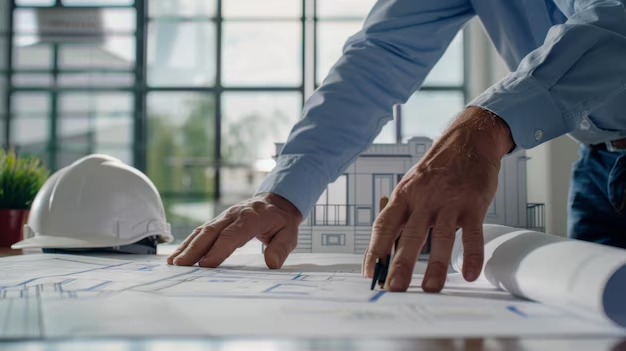
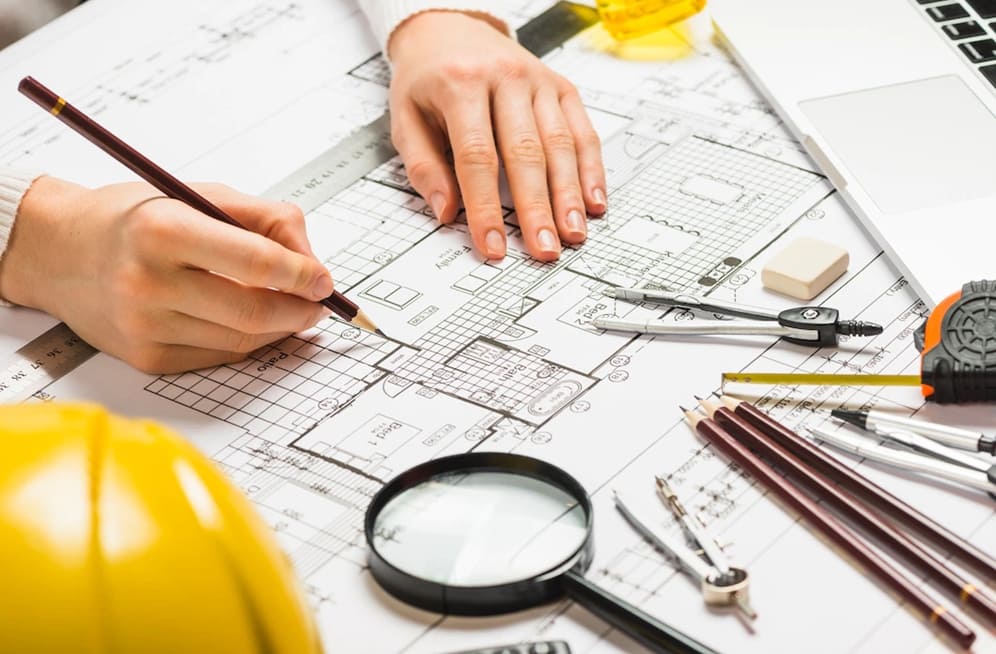
Architectural steel detailing is the process of creating highly precise drawings, models, and specifications for steel components used in architectural structures. Unlike structural steel detailing, which focuses primarily on load-bearing elements, architectural steel detailing emphasizes aesthetics, functionality, and integration with other materials such as glass, wood, and concrete.
This detailing is essential for high-end buildings, facades, staircases, canopies, ornamental steelwork, railings, decorative structures, and public art installations. It ensures that architectural intent, safety, and fabrication feasibility are maintained while achieving visually appealing designs.
1. Key Components of Architectural Steel Detailing
A. Structural and Decorative Elements
Steel Facades & Cladding – Custom-designed steel panels for modern exteriors.
Ornamental Railings & Balustrades – Decorative steel elements for balconies, staircases, and terraces.
Steel Staircases & Handrails – Custom-fabricated stairs with intricate designs.
Canopies & Awnings – Steel-framed extensions that enhance building aesthetics.
Feature Walls & Screens – Laser-cut steel panels with artistic designs.
Steel Bridges & Walkways – Lightweight, stylish pedestrian bridges.
Public Art & Sculptures – Custom-fabricated artistic steel structures.
B. Shop Drawings & Fabrication Details
Material Specifications – Defining steel grades (e.g., ASTM A36, A992, S355).
Cutting & Bending Details – Instructions for CNC machines and laser cutting.
Welding & Bolting Information – Specifications for joints and finishes.
Surface Finishing & Coating – Paints, powder coating, or galvanizing details.
Installation & Assembly Drawings – Clear guidelines for on-site erection.
2. Architectural vs. Structural Steel Detailing
Feature Architectural Steel Detailing Structural Steel Detailing Focus Aesthetic & functional design Load-bearing structure
Precision High for visual appeal High for strength & safety
Materials Steel + glass, wood, aluminum Primarily steel
Software Used Revit, Tekla, Rhino, AutoCAD Tekla, Advance Steel, SDS/2
Examples Railings, facades, feature walls Beams, columns, trusses
Architectural detailing requires close collaboration between architects, engineers, and fabricators to balance design intent with practicality.
3. Architectural Steel Connection Design
Steel connections in architectural detailing must be both strong and visually appealing. Some common connection types include:
A. Exposed Bolted Connections
Used where aesthetic bolt patterns enhance the design.
Stainless steel or decorative bolts are common.
Example: Modern steel staircases with visible bolted joints.
B. Hidden Connections (Concealed Fastening)
Achieved using internal bolts, welded plates, or adhesive bonding.
Often used in high-end architectural elements where clean aesthetics are required.
Example: Floating steel staircases with no visible bolts.
C.Glass-to-Steel Connections
Used for glass facades, canopies, and partitions.
use stainless steel fittings, clamps, and spider brackets.
Requires precision detailing for alignment and load distribution.
D. Laser-Cut & Perforated Steel Designs
Creates intricate patterns and artistic effects in steel screens and panels.
Example: Decorative facades and metal feature walls.
4. Software for Architectural Steel Detailing
Modern detailing relies on 3D modeling, BIM integration, and automated fabrication.
A. 3D Modeling & BIM
Revit – Ideal for BIM-based architectural steel detailing.
Tekla Structures – Advanced steel modeling and fabrication detailing.
Rhino + Grasshopper – Best for parametric and freeform steel designs.
B. Fabrication & CNC Integration
AutoCAD – Used for 2D detailing and shop drawings.
Advance Steel – AutoCAD-based structural and architectural detailing.
SolidWorks – Used for precise fabrication drawings.
C. Visualization & Rendering
Lumion & Enscape – For realistic visualization of steel designs.
V-Ray for Rhino – Helps in rendering detailed steelwork.
5. Architectural Steel Finishes & Surface Treatments
Steel finishes impact both aesthetics and durability. Common treatments include:
A. Paint & Powder Coating
Provides color customization & corrosion resistance.
Example: Black powder-coated steel railings.
B. Galvanizing & Stainless Steel
Hot-dip galvanizing protects against rust.
steel (304, 316) offers a modern aesthetic with high corrosion resistance.
Example: Marine-grade stainless steel for coastal buildings.
C. Weathered Steel (Corten Steel)
Develops a rusted patina over time for industrial aesthetics.
Example: Architectural facades with a natural weathered look.
6. Benefits of Architectural Steel Detailing
A. Precision & Aesthetic Quality
Ensures clean, visually appealing designs.
Reduces fabrication and assembly errors.
B. Faster Fabrication & Installation
Streamlines production with automated CNC cutting & welding.
Enhances on-site efficiency with precise detailing.
C. Cost & Material Optimization
Minimizes waste and rework through accurate takeoffs.
Reduces labor costs with pre-fabricated components.
D. Structural & Environmental Sustainability
Promotes lightweight steel designs with minimal environmental impact.
Integrates recyclable steel materials into green buildings.
7. Challenges in Architectural Steel Detailing
A. Complex Design Geometry
Freeform & parametric designs require advanced modeling tools.
Solution: Use Rhino + Grasshopper for computational detailing.
B. Coordination with Other Materials
Steel must integrate seamlessly with glass, concrete, and wood.
Solution: BIM coordination to resolve clashes before fabrication.
C. High-Precision Fabrication Requirements
Requires tight tolerances for CNC machining & laser cutting.
Solution: Automated detailing software like Tekla & Advance Steel.
Conclusion
Architectural steel detailing plays a crucial role in modern construction by combining functionality, durability, and aesthetics. By leveraging advanced software, precise fabrication methods, and BIM workflows, professionals can achieve visually stunning and structurally sound designs.
Would you like assistance with specific architectural steel detailing projects, software selection, or design optimization?