Connection Design Services
Connection Design Services in Structural Steel Detailing
Connection design is a critical aspect of structural steel detailing that ensures steel members are joined safely and efficiently to withstand various loads. Properly designed connections are essential for the stability, strength, and durability of steel structures.
Connection design services focus on calculating and detailing the joints between steel components, considering load factors, material properties, and industry standards. These services are crucial for buildings, bridges, industrial plants, and other steel structures.
>
1. Types of Steel Connections
A. Bolted Connections
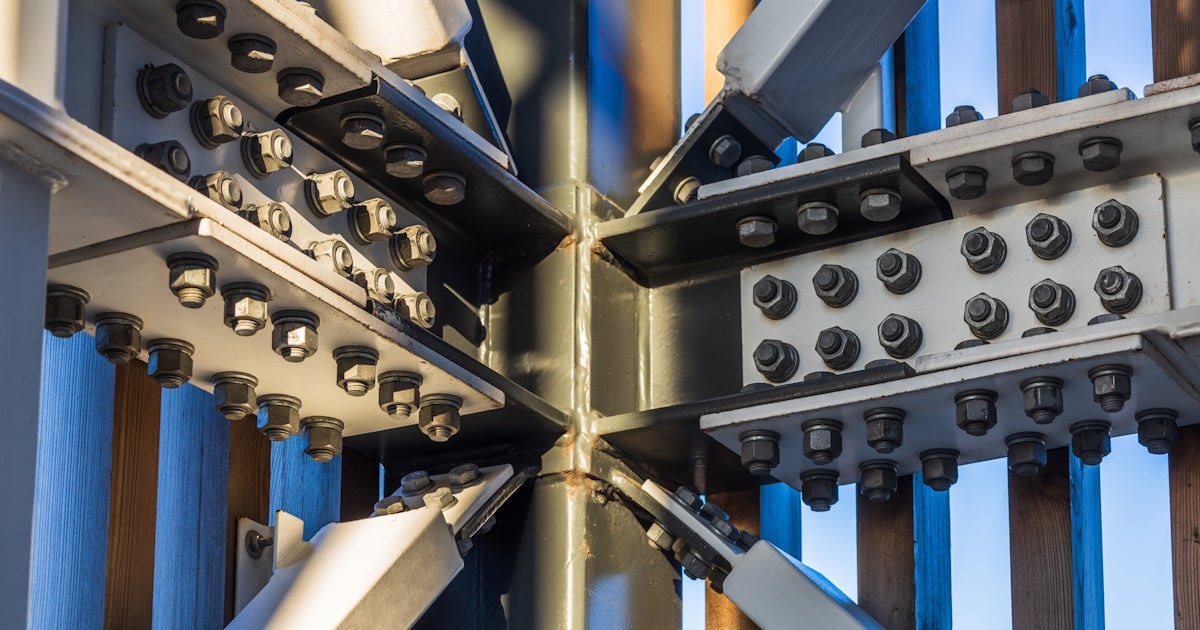
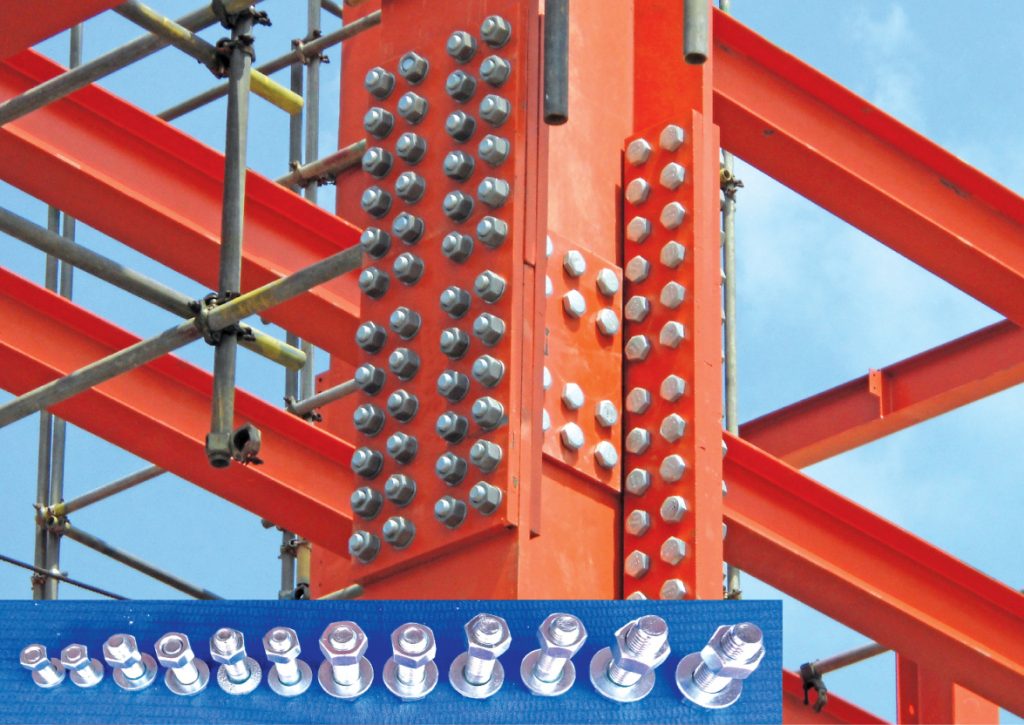
Bolted connections are widely used in steel structures due to their ease of installation and flexibility. Types include:
Bearing-Type Connections – Transfer loads through direct contact between bolts and steel plates.
Slip-Critical Connections – Rely on bolt tension to prevent slip under load.
Pre-Tensioned Bolted Joints – Used in high-strength applications.
B. Welded Connections
Welded connections offer high strength and rigidity but require skilled labor and precise execution. Common types include:
•
Fillet Welds – Used for lap joints, T-joints, and corner joints.
•
Groove Welds – Provide full penetration and are used for butt joints.
•
Plug & Slot Welds – Used when joining overlapping plates.
C. Moment Connections
Moment connections resist bending forces and provide stability against lateral movement. Types include:
•
Fully Restrained (FR) Connections – Prevent rotation and provide complete moment transfer.
•
Partially Restrained (PR) Connections – Allow some rotational movement but still provide moment resistance.
D. Shear Connections
Shear connections transfer vertical loads between steel members while allowing some rotational flexibility. Types include:
Single-Plate Shear Connections – A plate welded to a beam and bolted to a column.
Double-Angle Shear Connections – Two angles bolted to both members for stability.
End-Plate Connections – A plate welded to the beam and bolted to the column.
E. Braced Connections
Braced connections help in lateral load resistance and overall structural stability. Types include:
X-Bracing – Cross diagonal bracing for strength.
V-Bracing & Chevron Bracing – Distributes lateral forces efficiently.
K-Bracing – Common in high-rise buildings.
2. Connection Design Considerations
A. Load Calculations
Connections must be designed to handle:
Axial Loads (Tension & Compression)
Shear Forces
Moments
Torsional (Rotational) Forces
B. Code Compliance & Standards
Connection design must adhere to international and regional codes, including:
AISC (American Institute of Steel Construction)
BS 5950 & Eurocode 3 (Europe)
IS 800 (Indian Standard for Structural Steel)
AWS (American Welding Society) for Welding Standards
C. Material Selection
Choosing the right materials ensures strength, durability, and cost-effectiveness:
Structural Steel Grades (ASTM A36, A992, S275, S355)
Bolt Types & Grades (ASTM A325, A490)
Welding Electrodes (E70XX for high-strength applications)
C. Material SelectionD. Connection Strength & Stability
Rigid vs. Flexible Connections – Selecting based on structural needs.
Fatigue & Fracture Resistance – Designing for cyclic loading conditions.
Deflection Control – Ensuring serviceability criteria are met.
3. Software Used for Connection Design
Modern connection design relies on specialized software for accurate calculations and detailing. Commonly used software includes:
A. Structural Analysis & Design
STAAD.Pro – Performs structural analysis and load calculations.
SAP2000 – Advanced structural analysis for complex connections.
ETABS – Used for high-rise buildings and seismic load analysis.
B. Connection Detailing
Tekla Structures – Generates 3D models and detailed connection drawings.
Advance Steel – Provides automated connection design and detailing.
SDS/2 – Offers intelligent connection design with fabrication features.
C. Finite Element Analysis (FEA)
ANSYS – Simulates stress distribution in steel connections.
ABAQUS – Used for complex structural modeling.
4. Benefits of Professional Connection Design Services
A. Enhanced Structural Integrity
Ensures the building can withstand various loads.
Reduces the risk of connection failures.
B. Cost & Time Efficiency
Optimized designs minimize material waste and fabrication costs.
Accurate detailing reduces rework and delays.
C. Compliance with Industry Standards
Avoids regulatory issues and ensures safe construction.
D. Improved Coordination & Communication
Seamless collaboration between engineers, fabricators, and contractors.
5. Challenges in Connection Design
Complex Load Combinations – Handling simultaneous axial, shear, and moment forces.
Site Constraints – Designing connections that can be installed efficiently.
Material Availability – Adapting designs based on available steel grades.
Changing Design Requirements – Managing revisions and updates.
Conclusion
Connection design is a vital part of structural steel detailing, ensuring that steel members are safely and efficiently joined. With advancements in software and engineering practices, modern connection design services help optimize costs, improve construction efficiency, and enhance structural performance.